
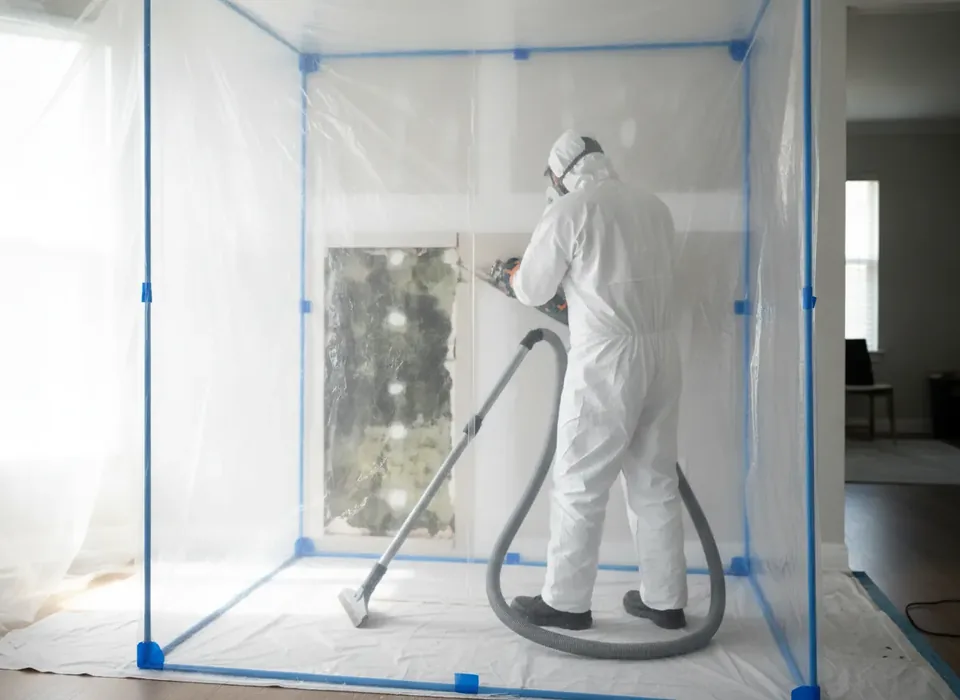
Mold Removal & Remediation
Containment, HEPA filtration, removal of moldy drywall, insulation and carpet, cleaning and drying for areas beyond the EPA’s roughly 10 square foot do-it-yourself line.
Mold removal quotesMold in a basement after snowmelt, on a bathroom window, under a swamp cooler or behind drywall after a frozen pipe? Describe it once. Independent local mold inspection and remediation companies reply with free, no-obligation quotes.
If anyone in the home has breathing trouble or other symptoms, see a doctor. We don’t give medical advice.
Pick the one that looks most like your problem. Independent companies that handle that kind of job follow up with quotes.
Containment, HEPA filtration, removal of moldy drywall, insulation and carpet, cleaning and drying for areas beyond the EPA’s roughly 10 square foot do-it-yourself line.
Mold removal quotes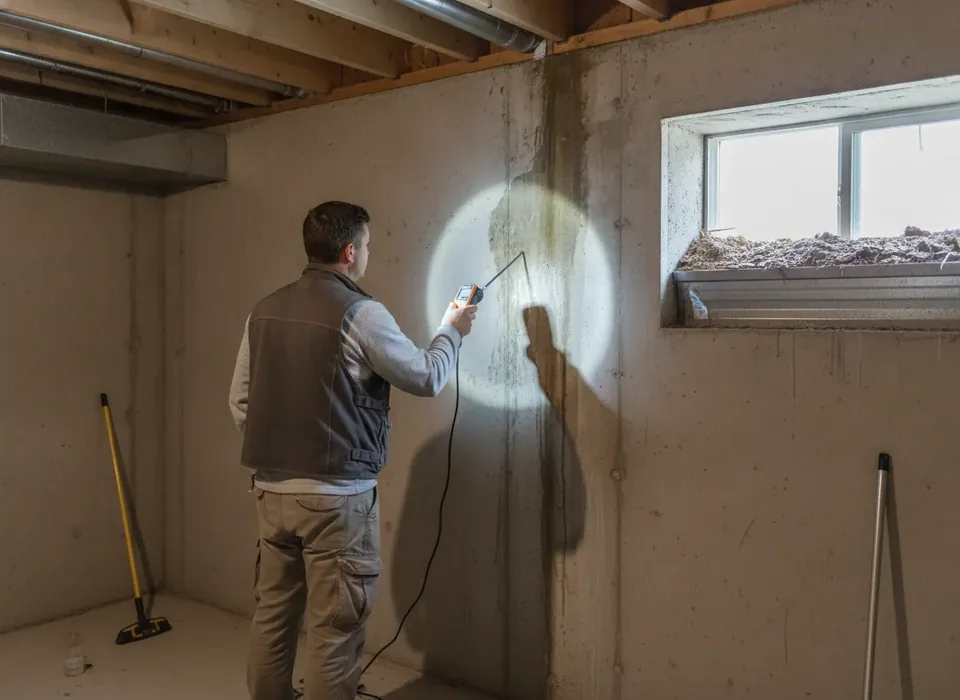
Moisture mapping, finding hidden growth, air and surface samples when they are worth paying for, and clearance checks after a job.
Inspection quotes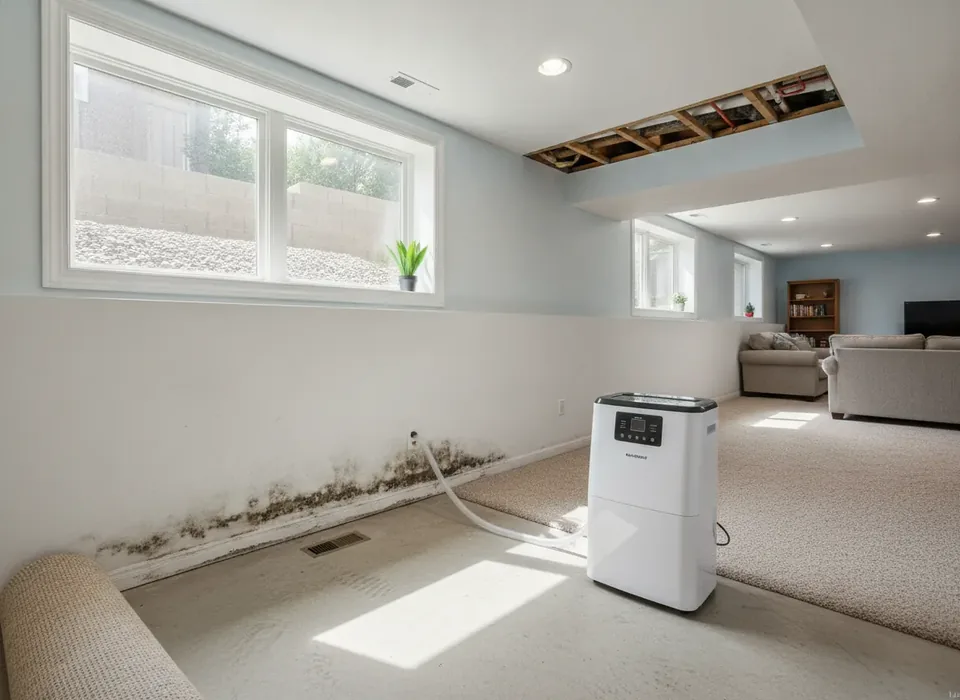
Seepage after snowmelt, window-well leaks, expansive clay cracks and damp crawl spaces, the most common mold call in the region.
Basement mold quotes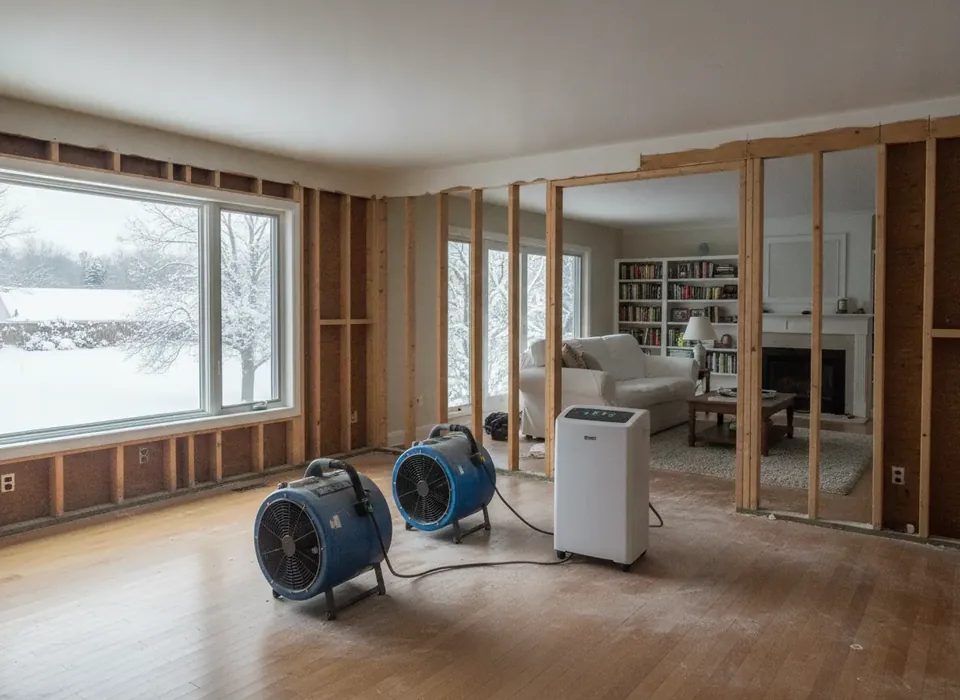
Burst and frozen pipes, appliance failures, monsoon flash floods and sewage backups, where the 24–48 hour drying window matters most.
Water damage mold quotes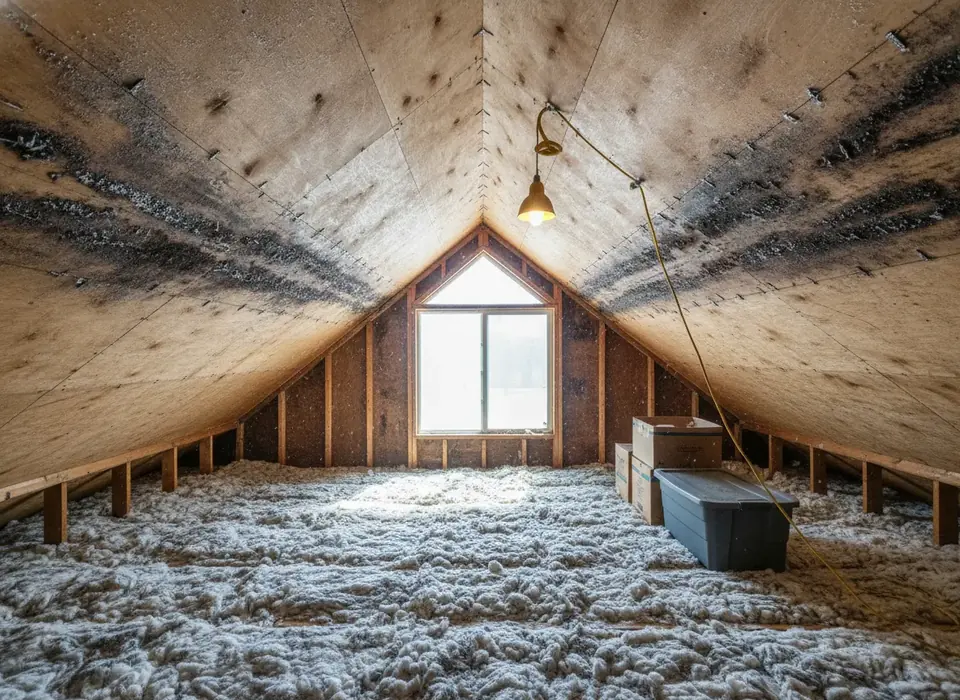
Stained decking after ice dams, hail-damaged shingles and bath fans that vent into the attic. The roof itself goes to a roofer.
Attic mold quotes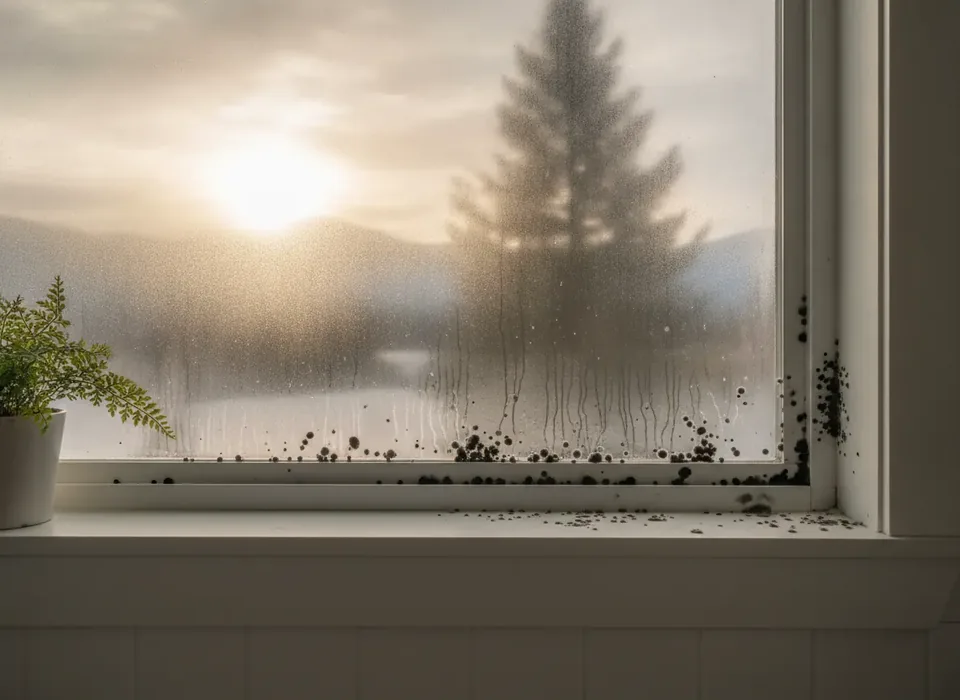
Window sills, shower ceilings, under-sink leaks and whole-house humidifiers set too high for a cold night.
Bathroom mold quotes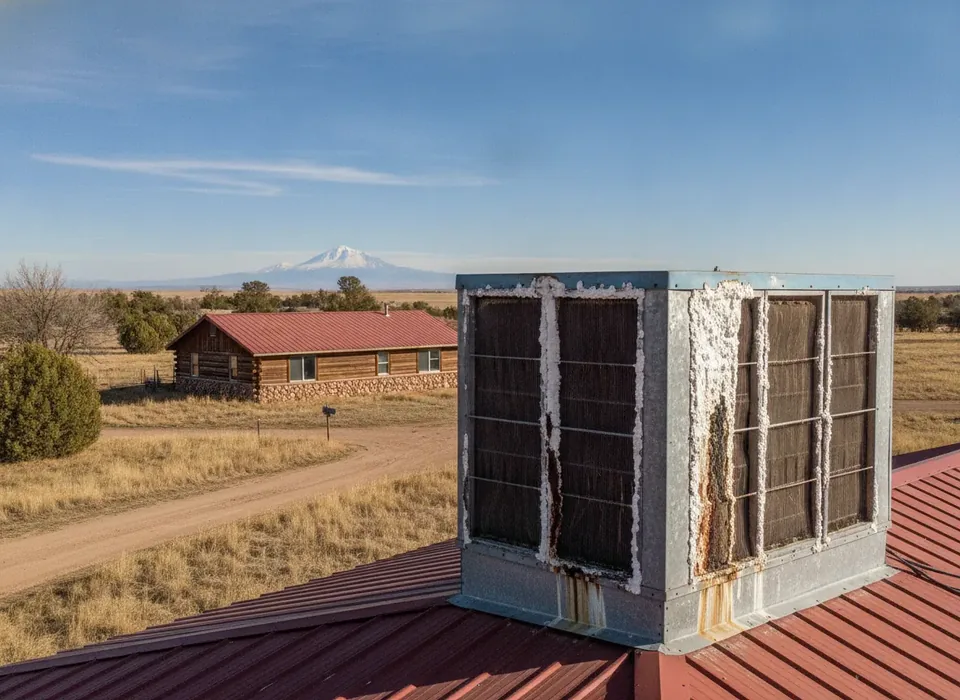
Musty swamp coolers, furnace humidifiers and ducts. Mechanical repairs go to a licensed mechanical contractor; the mold work goes to a remediation company.
HVAC mold quotes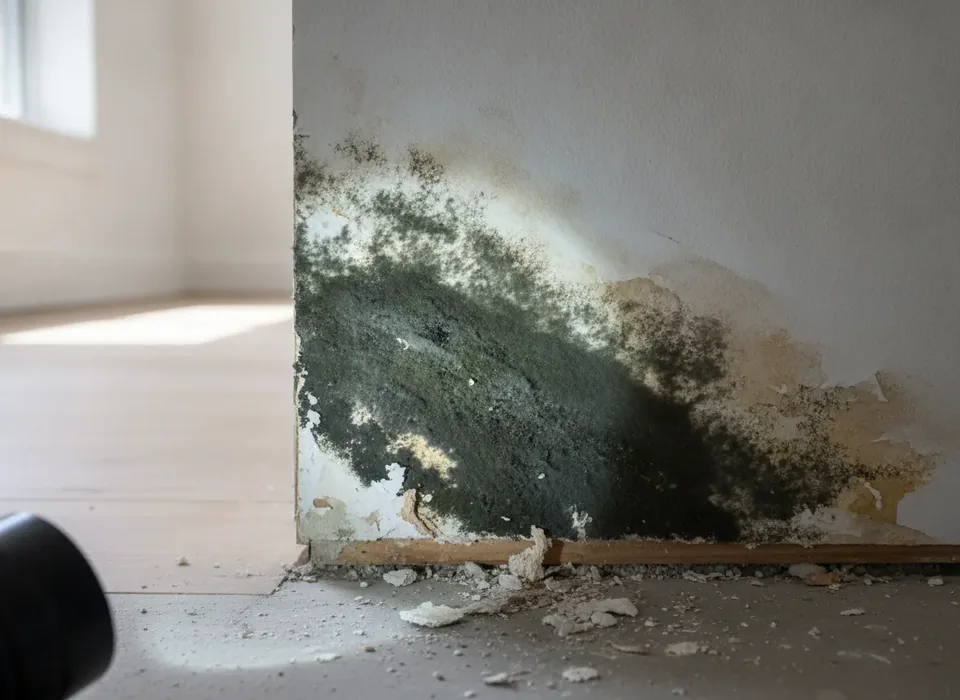
What dark mold does and doesn’t tell you, why color isn’t a diagnosis, and when it is worth having a company look.
Black mold quotesThree steps on our side. The company you pick handles the job from there.
Use the free quote form or call. Where the mold is, roughly how big, what got wet and when, and the age of the house if you know it.
Your request goes to local mold inspection and remediation companies that serve your ZIP code. They contact you directly to ask questions or set up a visit.
Most companies look at the space before pricing it. Compare scopes line by line with the cost guide, then hire one, or nobody. Full details on the process page.
Published national guides price mold work at about $10–$25 per square foot of affected area, with a typical whole job at $1,500–$9,000 and a national average near $3,500 (Fixr 2025; This Old House 2026). A bathroom often lands at $500–$1,500, a basement at $1,500–$4,000, an attic at $1,000–$4,000, and HVAC systems at $3,000–$10,000. A separate inspection with lab samples runs about $303–$1,044 (HomeAdvisor 2025). The one Colorado Springs-specific figure we found, $9–$19 per square foot, is from March 2022 and is dated.
None of that is a quote. Quotes come from the companies, not from this site. The cost guide has the full table, a calculator and the questions that explain why two quotes for the same room can differ by thousands.
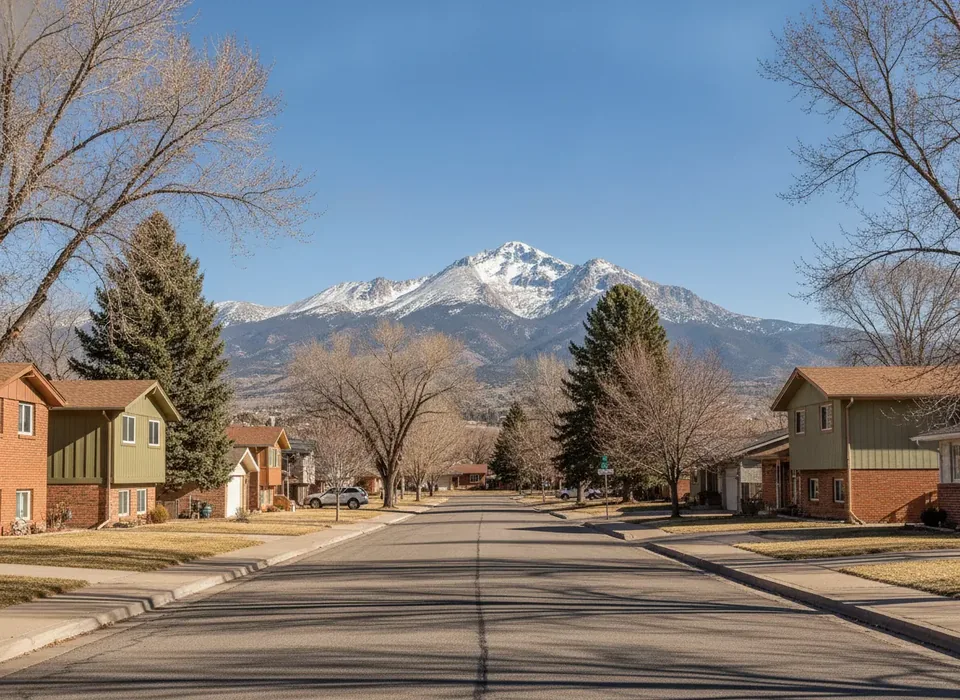
Colorado Springs averages 15.9 inches of precipitation a year and afternoon humidity around 40 percent (older NWS averages). That is dry. So mold here is almost never a “humid climate” problem. It is a local water event: snowmelt into a basement, a pipe that froze, a roof that hail cracked, a swamp cooler pad that never dries. The dry air also hides it. Growth sits inside wall cavities, under floors and in crawl spaces where moisture is trapped, and the first sign is often a smell.
About 65 percent of the year’s precipitation falls from May through August, much of it in heavy monsoon downpours. March is the snowiest month, and spring snowmelt against a foundation is the classic path into a Colorado Springs basement or crawl space. Industry estimates put basements in roughly a third of homes here, and El Paso County’s expansive clay soils can open the cracks the water follows. See basement and crawl space mold.
In the February 2021 cold snap, Colorado Springs firefighters answered more than 200 reports of broken sprinkler lines in a few days. In January 2024 the city logged at least 25 burst pipes and sprinkler heads in a week, and the fire department noted that damage often shows up only after the thaw. The EPA’s guidance is to dry water-damaged materials within 24–48 hours. Our water damage mold page covers that window.
The July 28, 2016 hailstorm produced about 33,200 property claims and more than $352 million in insured losses across the area, and the August 6, 2018 storm added softball-size hail and roughly $173 million in damage in Colorado Springs. Cracked shingles and lifted flashing leak slowly into attics, and strong winter sun on a snow-covered roof plus sub-freezing nights builds ice dams at the eaves. Mold on roof decking often appears months later as a ceiling stain. See roof leak and attic mold.
Evaporative coolers are common on older Colorado Springs homes, and their pads stay saturated all summer. Furnace-mounted humidifiers fight the dry winter air, and when they run high on a cold night the moisture lands on single-pane windows, under-insulated walls and cold roof decks. Both are covered on the HVAC and swamp cooler and condensation mold pages.
El Paso County has had federal disaster declarations for flooding in September 2013, May 2015 and June 2023, and the 2013 Waldo Canyon burn-scar floods sent mud into Manitou Springs and the west side. Standard homeowners policies exclude flood, and floodwater is Category 3, so it is a full remediation, not a shop-vac job.
The median Colorado Springs home was built in 1986, and about 39 percent of homes predate 1980. That matters for asbestos and lead rules when drywall comes out, covered below. One unrelated note: El Paso County is in EPA radon Zone 1, and radon mitigation is a separate trade from mold remediation.
Colorado does not license mold remediators or mold inspectors. The Pikes Peak Regional Building Department registers building trades, and the state regulates asbestos work, but there is no state card that says a company knows mold. That makes your questions the real screen. When quotes come in, ask each company for:
We don’t verify any of this. Renters have their own rule: Colorado landlords must contain mold associated with dampness, stop the water and run HEPA filtration within 72 hours of notice. Sellers must disclose known moisture or water problems on the state disclosure form, and known mold is a material fact. More in the FAQ and the tenant guide. This is general information, not legal advice.
Quote requests come from Colorado Springs (population 487,887, ACS 2024 5-year) and the surrounding communities of El Paso and Teller counties.
See every community on the service areas page.
No. Colorado Springs Mold Pros is a free quote service. You describe the problem once, and independent local mold inspection and remediation companies that serve your part of the Pikes Peak region reply with quotes. The company you choose does the work and contracts with you directly. There is no cost to ask and no obligation to hire anyone.
No. Colorado has no state mold remediation or mold inspector license. The state regulates asbestos work, and the Pikes Peak Regional Building Department registers building trades, but neither is a mold credential. So ask every company about IICRC S520 or ACAC training, general liability insurance and a written protocol. We do not verify any of this for you. This is general information, not legal advice.
Published national guides put most jobs at $10–$25 per square foot of affected area, or about $1,500–$9,000 for a typical whole job (Fixr 2025, national average about $3,500). A 100 square foot area runs about $1,000–$2,500 (This Old House 2026). Those are planning figures, not quotes. Colorado Springs quotes come from the companies, not from this site. See the cost guide and calculator.
Usually not. The EPA says, “In most cases, if visible mold growth is present, sampling is unnecessary.” Testing earns its fee when you smell mold but cannot find it, when a landlord, buyer or insurer wants documentation, or as a clearance check after a job. If you do test, many homeowners hire a tester who is not the remediator. Our inspection and testing page explains the options.
In Colorado, mold associated with dampness is a habitability issue. Under C.R.S. 38-12-503(12), once you give written notice your landlord has 72 hours to install containment, stop the water source and run HEPA air filtration, and must keep containment up through remediation and do post-remediation testing. Minor mold on surfaces that normally get wet, like a shower, is excluded. This is general information, not legal advice; read our tenant guide.
It can. Roughly 39 percent of Colorado Springs homes predate 1980. Mold tear-outs often exceed the 32 square foot residential trigger level in Colorado’s asbestos rule, so ask whether an asbestos test is needed before drywall texture, joint compound, linoleum or ceiling tile comes out of a pre-1989 home. Pre-1978 homes also bring federal lead-safe work rules into play. Ask the company how it handles both before work starts.
More answers on the mold FAQ and the blog.
Colorado Springs Mold Pros is an independent quote service and is not affiliated with any company of a similar name.
Free, no-pressure quotes from independent companies across Colorado Springs, Monument, Fountain, Woodland Park and the Pikes Peak region.